Last Updated: October 23, 2026
Quick Summary
Estate-grown wine tastes better because one business controls both the vineyard and winery, enabling consistent harvest decisions and fruit quality. This control allows winemakers to pick grapes at optimal ripeness and align cellar practices with their vineyard’s specific character.
- Estate-grown means the winery owns or controls the vineyard where grapes are grown, unlike purchasing grapes from other vineyards.
- Terroir includes soil type, elevation, climate, and microclimate, which fundamentally shape grape flavor and wine character.
- Estate winemakers harvest when conditions match their vision, avoiding compromise based on external growers’ schedules.
- Winemaker cellar choices like fermentation temperature and oak aging can amplify or obscure vineyard character in the final wine.
- Estate-grown status alone does not guarantee quality; execution, grape variety, and winemaking skill matter equally.
Table of Contents
- What Estate-Grown Wine Meaning Really Encompasses
- Estate Wine vs Non-Estate Wine: Where Control Matters
- How Vineyard Location Affects Wine Taste
- Why Estate-Grown Wine Tastes Better: The Control Factor
- How to Taste Wine for Beginners: Finding Estate Character
- What Estate-Grown Does Not Guarantee
- Frequently Asked Questions
What Estate-Grown Wine Meaning Really Encompasses
Estate-grown wine means the winery owns or controls the vineyard where the grapes are grown. This is different from buying grapes from other vineyards.
The term “estate-grown” carries weight in the wine world. It signals that one business manages both the vineyard and the winery.
At Maison La Belle Vie Winery, we understand this distinction deeply. Our 4.5-acre vineyard, established in 2004, allows us to oversee grape development from bud break through harvest.
Estate-bottled is a related but more specific term. It means the winery produced at least 75% of the wine from grapes grown on its own property.
Many wine drinkers assume estate-grown automatically means better quality. That’s not always true. What it does mean is consistency and intentionality.
Estate Wine vs Non-Estate Wine: Where Control Matters
The core difference between estate and non-estate wine comes down to decision-making power. A winery making non-estate wine purchases grapes from other vineyards.
An estate winery controls the entire process. It decides when to pick. It chooses which blocks to harvest first.
This control creates opportunity for consistency. The winemaker knows the vineyard intimately. They understand how that specific soil responds to rain.
Non-estate wines have advantages too. Wineries can source grapes from multiple regions. This allows blending for complexity.
The trade-off is less control over individual grape quality. A purchased-grape winery depends on supplier relationships and communication.
Estate wineries avoid that dependency. They harvest when conditions are right for their vision. They don’t compromise based on someone else’s schedule.
How Vineyard Location Affects Wine Taste
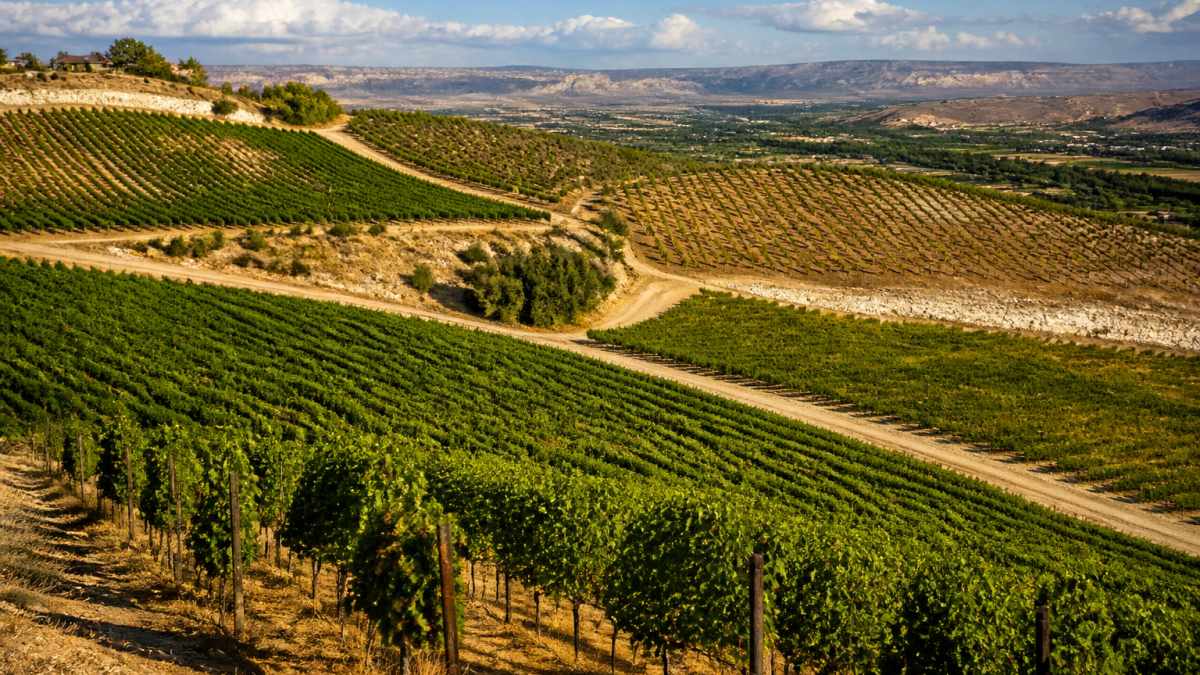
Vineyard location shapes wine flavor in fundamental ways. The soil, climate, and microclimate of a specific site leave their mark on every grape grown there. This concept is called terroir, and it’s central to understanding estate-grown wines.
Terroir: The Foundation of Flavor
Terroir is the complete environment where grapes grow. It includes soil type, elevation, slope angle, water availability, and climate patterns. These factors combine to create a unique growing site.
Terroir influences grape ripeness, sugar development, and acidity. A warm south-facing slope produces different fruit than a cool north-facing valley. The differences show up in the final wine’s flavor profile.
Terroir is not destiny. It’s one input among many. The winemaker’s choices during fermentation, aging, and blending matter enormously. But terroir sets the foundation. It determines what the grapes can become.
Soil Composition and Mineral Character
Soil type directly affects how grapevines grow and what flavors develop. Different soils hold water differently. Some drain quickly. Others retain moisture. This changes how stressed the vine becomes during the growing season.
Stressed vines produce grapes with concentrated flavors. Vines with abundant water produce larger berries with more dilute juice. Neither is inherently better. The effect depends on what the winemaker wants.
Soil also influences mineral character in wine. Wines from limestone-rich soils often show mineral notes. Wines from volcanic soils can display different mineral qualities. These aren’t flavors you taste directly. They’re subtle characteristics that add complexity to the wine’s overall profile.
Climate and Microclimate Effects
Climate determines whether a region can ripen specific grape varieties. Cool climates produce wines with higher acidity and lower alcohol. Warm climates produce riper fruit and higher alcohol levels.
Microclimate refers to conditions in a specific small area. A vineyard on a hillside has different microclimate than one in a valley. Proximity to water, wind patterns, and sun exposure all create microclimatic variation.
Estate vineyards benefit from microclimate knowledge. A winemaker can identify which blocks ripen earliest. They can harvest different sections on different days. This flexibility allows matching each block’s ripeness to its intended use in the final blend.
The Limits of Terroir: How Cellar Choices Amplify or Obscure Site Character
A common misconception is that terroir flows directly from soil to glass. In practice, the winemaker’s cellar decisions can either amplify vineyard character or bury it. Fermentation temperature, yeast selection, oak regimen, and blending all sit between the vineyard and the final wine.
Consider two winemakers working with the same estate fruit. One ferments cool in stainless steel, bottles early, and uses no new oak. The other ferments warmer, ages in 50% new French oak for 18 months, and blends in a small percentage of a different block.
This is why estate-grown status alone tells you about provenance, not quality. A heavy-handed oak program can mask delicate floral and mineral notes that a site naturally produces. Conversely, a restrained cellar approach can let site-specific character speak clearly.
Terroir sets the potential; cellar choices determine how much of that potential reaches the glass. Estate-grown wine gives the winemaker a consistent raw material, but it does not guarantee that the vineyard’s character will be preserved.
Matching Grape Varieties to Site Conditions
Site suitability depends on matching the right variety to the right conditions. A variety that ripens late may struggle in a short, cool growing season. A thin-skinned variety may suffer in a hot, humid site prone to rot. Estate wineries can plant and replant with site knowledge in mind, adjusting variety and rootstock choices over years.
This is a practical advantage of estate control: the winemaker can observe how different blocks perform and make long-term farming decisions accordingly. A winery buying grapes on the open market has less ability to influence which varieties are planted where.
Vintage Variation and Site Expression
Vintage variation is natural. Weather changes from year to year. Rainfall varies. Temperature patterns shift. These changes affect grape ripeness and final wine character. Estate wineries learn their site’s patterns over many vintages, which helps them interpret each year’s conditions and adjust harvest timing and winemaking accordingly.
A site’s expression is not identical every year, and that is part of the point. Estate-grown wines can show vintage-to-vintage differences that reflect real growing conditions rather than a standardized blend designed to taste the same every year.
Why Estate-Grown Wine Tastes Better: The Control Factor
How estate-grown wine tastes reflects consistency that non-estate wines struggle to match. When one business controls both vineyard and winery, quality standards stay aligned throughout production.
Consistency Across Vintage Years
Vintage variation is natural. Weather changes from year to year. Rainfall varies. Temperature patterns shift. These changes affect grape ripeness and final wine character.
Estate wineries manage vintage variation more effectively. They understand their vineyard’s patterns. They know how their specific site responds to different weather. This knowledge lets them adjust harvest timing and winemaking techniques to maintain consistency.
A winery buying grapes from multiple sources faces greater vintage swings. Each grower responds differently to weather. One grower picks early during a warm year. Another waits longer. The purchased fruit arrives with inconsistent ripeness levels.
Fruit Quality and Grape Ripeness
Grape ripeness at harvest determines wine quality more than almost any other factor. Underripe grapes produce thin, green-tasting wines. Overripe grapes produce wines that taste flat and heavy.
Estate winemakers harvest at their preferred ripeness level. They taste berries throughout the vineyard. They measure sugar content. They check acid levels. They decide exactly when to pick.
This control creates better fruit quality. The grapes arrive at optimal ripeness for the winemaker’s style. They’re picked at peak flavor development, not based on someone else’s schedule or economic pressure.
Winemaker’s Vision and Cellar Choices
The winemaker’s decisions in the cellar matter as much as vineyard conditions. How long to ferment. What temperature to use. Whether to age in oak. How long to age. These choices define the final wine.
Estate wineries align cellar practices with vineyard reality. The winemaker knows exactly what the fruit can do. They make fermentation and aging decisions based on intimate knowledge of their grapes.
A winemaker working with purchased grapes must adapt their vision to whoever’s fruit arrives. They might want to ferment cool and slow. But the fruit’s ripeness level might require a different approach. Compromise becomes necessary.
How to Taste Wine for Beginners: Finding Estate Character
Tasting wine intentionally helps you identify estate-grown characteristics. You don’t need expertise. You need focus and a simple framework.
Isolating Vineyard Effects in Your Tasting
Start by tasting two wines side by side. Choose an estate-grown wine and a non-estate wine from the same grape variety. Pay attention to specific elements.
Notice the aroma first. Smell the wine without tasting. Estate wines often show more complexity in the nose. You might detect multiple fruit scents, floral notes, or mineral qualities.
Taste the wine next. Let it sit on your tongue for a few seconds. Notice the flavors that emerge. Check the acidity level. Is it bright and sharp or soft and mellow?
Pay attention to finish. After you swallow, does the flavor linger? Estate wines often have longer finishes. The flavor continues to develop after you’ve swallowed.
What to Notice in Aroma and Flavor Profile
Aroma tells you about grape ripeness and fermentation choices. Young wines show bright fruit aromas. Aged wines develop tertiary notes like leather, tobacco, or earth.
Flavor profile is the complete taste experience. It includes the initial flavor, the mid-palate (what you taste in the middle of your mouth), and the finish.
Estate-grown wines often show greater flavor complexity. You might taste red fruit, then notice herbal notes, then detect mineral character. This layering suggests good fruit quality and thoughtful winemaking.
Look for balance. Good wine doesn’t have one dominant flavor that overwhelms everything else. The fruit, acidity, and tannins work together. If one element dominates, the wine feels unbalanced.
What Estate-Grown Does Not Guarantee
Estate-grown status alone does not guarantee quality or taste superiority. Many excellent wines are made from purchased grapes.
What matters most is execution. A talented winemaker working with purchased grapes can produce exceptional wine.
The grape variety matters enormously. Some varieties thrive in cool climates. Others need warmth.
Fermentation and aging choices matter as much as vineyard conditions. Oak aging adds flavor. Stainless steel aging preserves fruit character.
Cost and scale affect estate wine quality too. An estate winery can be small and focused or large and industrial.
Estate-grown wines offer real advantages: control, consistency, and the potential for site expression.
When you visit Maison La Belle Vie Winery, you experience this philosophy firsthand.
Frequently Asked Questions
What does estate-grown wine mean exactly?
Estate-grown wine means the winery owns or controls the vineyard where the grapes are grown and also produces the wine at its own facility. The winery must control at least 75% of the vineyard acreage and handle the winemaking process on-site. This integration gives the winemaker direct oversight of growing conditions, harvest timing, and production decisions from vine to bottle.
How does vineyard location affect a wine’s flavor?
Vineyard location determines terroir, the combination of soil composition, climate, microclimate, and elevation that shapes grape character. Soil minerals influence acidity and mineral notes; slope and exposure affect ripeness and balance; local weather patterns determine vintage variation. A vineyard’s specific location creates site-specific conditions that no other location can replicate, resulting in distinct flavor profiles unique to that estate.
Does estate-grown wine always taste better than non-estate wine?
Estate-grown status does not automatically guarantee superior taste. Quality depends on the winemaker’s skill, grape variety selection, cellar choices like fermentation and oak aging, and vineyard management practices. Some purchased-grape wines are excellent; some estate wines are average. Estate-grown offers more control and consistency potential, but execution and winemaking philosophy matter equally.
How do I taste wine for beginners to identify estate character?
Start by observing the wine’s appearance, then smell the aroma to note fruit and mineral notes. Taste slowly, noting acidity, tannins, and flavor complexity. Compare an estate wine side-by-side with a non-estate wine from the same grape variety to isolate vineyard effects. Pay attention to mineral character, balance, and how flavors evolve, these often reflect terroir and site expression rather than just winemaking choices.