Table of Contents
- Estate Grown Wine vs Sourced Grapes: The Core Difference
- Estate-Grown Wine Meaning, Explained Simply
- Estate-Bottled vs Estate-Grown: They Are Not the Same
- Purchased Grapes vs Estate-Grown Grapes: Why Wineries Choose Each
- How to Read Wine Labels for Grape Origin
- Estate Grown Wine vs Sourced Grapes: Pros and Cons
- What Estate-Grown Wine Means at the Tasting Room
- Frequently Asked Questions
Last Updated: October 14, 2026
Estate Grown Wine vs Sourced Grapes: The Core Difference
Estate grown wine is made entirely from grapes grown on land the winery owns or controls, while sourced-grape wine is made from fruit purchased from other growers. That single distinction shapes everything downstream: who farmed the fruit, how it was handled, and how much the finished bottle can tell you about a specific place.
This is the question we hear most often at Maison La Belle Vie Winery, and it’s a fair one. A bottle is a considerable purchase, and “estate grown” gets thrown around loosely enough that it’s worth understanding what the term actually promises. Below, we break down the real difference between estate grown wine vs sourced grapes, how to spot each on a label, and why a winery might choose one path over the other. Grasping the nuances of site-specific viticulture is essential for understanding wine terroir and how the unique environmental conditions of a region shape the final character of the glass.
Here’s the part most guides get wrong: neither approach is automatically better. What matters is whether the label tells you the truth about what’s inside.
Estate-Grown Wine Meaning, Explained Simply
Estate-grown wine is wine made from grapes cultivated on land owned or controlled by the winery, then vinified on that same property. The TTB labeling regulations for American wine govern what wineries may claim on a label, which is why the wording matters more than the marketing around it.
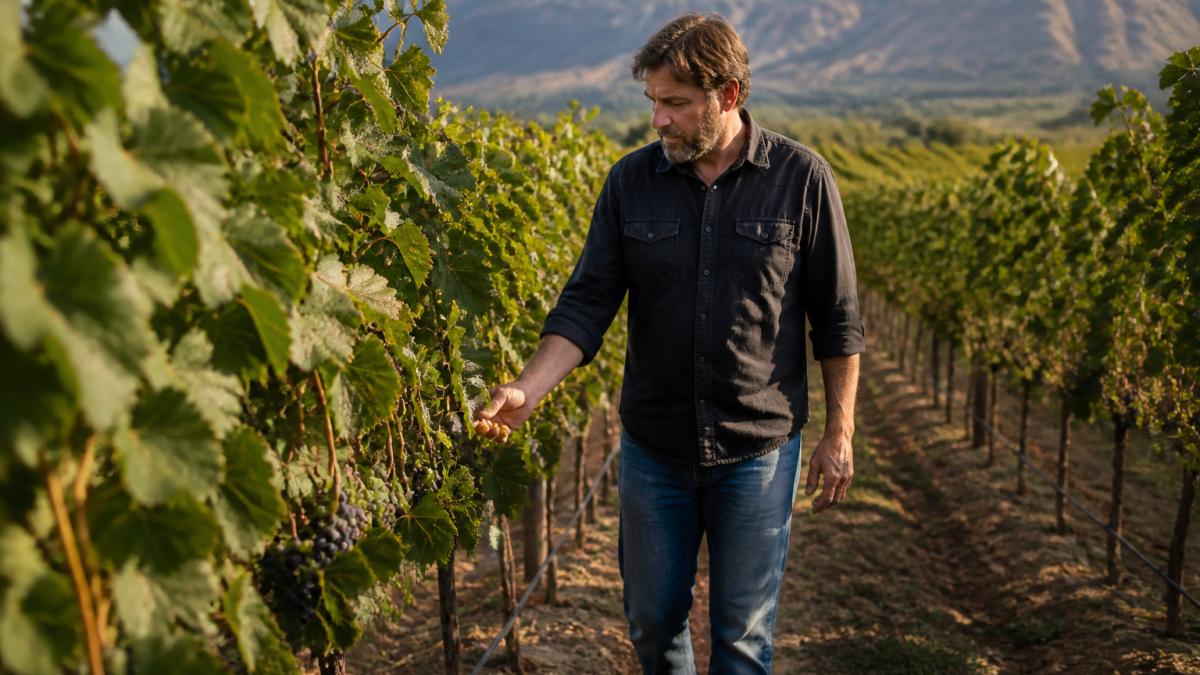
Think of it as a chain of custody. The winery controls the farming, the harvest timing, the fermentation, and the bottling. That control is the whole point: it lets a producer chase a specific style year after year rather than working with whatever fruit happens to be available.
For drinkers, the practical payoff is traceability. You know where the grapes came from and who grew them.
Estate-Bottled vs Estate-Grown: They Are Not the Same
Estate-bottled means the wine was bottled on the estate where it was produced. Estate-grown goes further and specifies that the grapes themselves came from that estate. A winery can bottle on-site using purchased fruit and still call the wine estate-bottled in some cases.
That gap trips people up constantly.
- Estate-grown: grapes grown on the winery’s own land
- Estate-bottled: wine bottled at the winery’s facility
- Estate-produced: a broader term some regions use to cover growing, vinifying, and bottling
A common mistake is assuming the two terms are interchangeable. They aren’t. If origin matters to you, look for “estate grown” or “estate vineyard” specifically, not just “estate bottled.”
When a label says “estate bottled” but never mentions the vineyard, ask the tasting room staff where the fruit came from. A confident, specific answer tells you a lot. A vague one tells you more.
Purchased Grapes vs Estate-Grown Grapes: Why Wineries Choose Each
Wineries choose estate-grown fruit when they want full control over farming decisions and a consistent house style. They buy grapes when they need volume, want to experiment with varieties they don’t grow, or are working through a short harvest.
The reasons are practical, not philosophical.
- Estate-grown: control over ripeness, yield, and farming practices; a clearer story to tell; higher risk when weather turns
- Purchased: flexibility to scale up or down; access to varieties and vineyard sites the winery doesn’t own; less exposure to a single bad season
Small producers often blend the two. A winery might grow its flagship reds and buy fruit for a value-tier white. That’s not a shortcut. It’s a business decision, and it’s worth asking about directly.
From an accounting standpoint, the two paths also differ: Protea Financial on grape cost accounting notes that estate-grown grape costs are folded into cost of goods sold when the finished wine is sold, while purchased fruit is tracked as a direct input cost. Different books, different incentives.
How to Read Wine Labels for Grape Origin
Reading a wine label for grape origin comes down to a few specific phrases, and knowing them saves you from guessing. Look for these terms, roughly in order of specificity:
| Label Term | What It Tells You | Strength of Origin Claim |
|---|---|---|
| Estate grown | Grapes grown on winery-controlled land | Strongest |
| Estate vineyard | Fruit from a named estate vineyard | Strong |
| Estate bottled | Bottled at the winery, fruit source unclear | Moderate |
| Single vineyard | One named vineyard, not necessarily owned | Moderate |
| American Viticultural Area (AVA) | Broad growing region | General |
An AVA designation, such as a named growing region, tells you the grapes came from within a defined boundary (ttb.gov). It says nothing about who farmed them. That’s a meaningfully weaker claim than estate grown.
Don’t confuse a region name with a vineyard name. A bottle labeled with a broad appellation can still be a blend of fruit from dozens of growers. If provenance is your priority, the word “estate” needs to appear.
Estate Grown Wine vs Sourced Grapes: Pros and Cons
Estate-grown wine offers the strongest link between a bottle and a specific piece of land. Sourced-grape wine offers flexibility and often better value at lower price points. Neither is inherently superior, and the right choice depends on what you’re buying for.
Estate-grown pros:
- Full traceability from vine to bottle
- Consistent house style across vintages
- Farming decisions made by the people who make the wine
Estate-grown cons:
- Limited by what the estate can grow
- Vintage variation hits harder when you can’t blend across sources
- Often carries a higher price because of the risk and labor involved
Sourced-grape pros:
- Access to varieties and sites a winery doesn’t own
- Ability to scale production up or down
- Can deliver strong value in the right hands
Sourced-grape cons:
- Less control over farming and harvest timing
- Origin story is harder to verify
- Quality depends heavily on grower relationships
Many businesses find that the honest answer is a mix. A winery that grows its signature varieties and sources the rest is making a considered choice, not cutting a corner.
What Estate-Grown Wine Means at the Tasting Room
At the tasting room, estate-grown wine means you can ask specific questions and get specific answers. Which block did this come from? When was it picked? How long did it spend in barrel? A winery that farms its own fruit can answer all three.
That’s where the difference becomes tangible. Our 4.5-acre vineyard, established in 2004, gives us Muscat and Marechal Foch grown on-site, and it shapes how we pour. Guests who want to understand what estate-grown actually tastes like can compare a wine made from our own fruit against the broader range on the list.
For couples planning an anniversary or a private event, that traceability becomes part of the experience. It’s one thing to order a glass. It’s another to stand at the edge of the vineyard it came from.
Reserve a tasting and see the difference for yourself.
The gap between estate grown wine and sourced-grape wine isn’t about quality. It’s about transparency, and knowing which one you’re drinking.
If you want a bottle that can tell you exactly where it came from, that’s what we do at Maison La Belle Vie Winery. Our estate-grown Muscat and Marechal Foch come from our own vineyard, our Wine Society members get access to exclusive releases, and our on-site restaurant pairs each pour with a dish built for it. Reserve a tasting with us and taste the difference a named vineyard makes.
Frequently Asked Questions
What does estate-grown mean on a wine label?
Estate-grown means the grapes in the bottle were grown on land the winery owns or controls, and the wine was made on that same property. It signals traceability: you know where the fruit came from and who farmed it. The term is not federally regulated the way some appellation rules are, so a winery using it should be able to explain its vineyard sourcing when you ask.
What is the difference between estate-grown and estate-bottled wine?
Estate-grown refers to where the grapes were farmed. Estate-bottled refers to where the wine was produced and packaged. A bottle can be estate-bottled without being estate-grown if the winery bought fruit but made and bottled the wine on site. For the fullest provenance, look for both terms together, which tells you the grapes were grown and the wine was made at the same estate.
Is estate-grown wine better than wine made from sourced grapes?
Not automatically. Estate-grown wine gives the winemaker full control over farming decisions, which can lead to wines with a clearer sense of place. Sourced grapes let wineries blend across sites and keep production steady in weak vintages. Quality depends on farming, harvest timing, and cellar work. The better question is whether the winery can tell you exactly where its fruit came from.
How can you tell where the grapes in a wine came from?
Start with the label: look for estate-grown, estate-bottled, or a specific American Viticultural Area (AVA) like the Grand Valley AVA. Then check the back label or tech sheet for vineyard names. If neither is listed, ask at the tasting room. Wineries that farm their own fruit can usually name the block or vineyard, while sourced programs may cite grower partners instead.