Table of Contents
- What Makes Estate-Grown Colorado Wines Different
- Colorado Wine Varieties That Thrive at High Elevation
- Top Estate-Grown Wines to Seek Out
- How to Taste Wine for Beginners: A Practical Approach
- Colorado Wine Tasting Experiences Worth Your Time
- Estate-Grown Versus Estate-Bottled: What You Need to Know
- Frequently Asked Questions
Last Updated: October 19, 2026
What Makes Estate-Grown Colorado Wines Different
Estate-grown wines in Colorado represent a commitment to quality that starts in the vineyard and ends in your glass. When a winery produces estate-grown wines, it means they control every step: the land where grapes are planted, how they’re cultivated, when they’re harvested, and how they’re fermented and aged. This level of control creates consistency and character you simply can’t achieve when sourcing fruit from multiple vineyards.
The Colorado wine industry has grown significantly over the past two decades. Today, the state’s high-elevation vineyards produce wines that compete with established regions across the country. What makes this possible? Elevation. Most Colorado wine regions sit between 4,000 and 6,000 feet above sea level. At that height, growing seasons are shorter and more intense. Grapes develop deeper flavors and higher acidity, which translates to wines with remarkable structure and aging potential.
At Maison La Belle Vie Winery, we’ve built our reputation on estate-grown wines that reflect the unique terroir of our vineyard. When you drink an estate-grown wine, you’re tasting the specific soil, sunlight, and climate of one place. That sense of place, what winemakers call terroir, is what separates a memorable bottle from something forgettable.
Colorado Wine Varieties That Thrive at High Elevation
Not every grape variety succeeds at Colorado’s altitude. Winemakers have learned through trial and error which varieties produce exceptional results in this challenging environment.
Riesling thrives in Colorado’s cool nights and intense daytime sun. The variety produces wines with bright acidity and stone fruit flavors, think green apple, peach, and citrus.
Pinot Gris performs well in Colorado vineyards, delivering crisp white wines with subtle fruit character.
Grüner Veltliner, an Austrian variety, has found an unexpected home in Colorado’s high-elevation vineyards.
Malbec represents the red wine opportunity in Colorado. The variety produces wines with deep color, structured tannins, and dark fruit flavors.
Muscat Blanc and Marechal Foch round out the portfolio of varieties that succeed in Colorado. Both produce distinctive wines that reflect the region’s character. Muscat Blanc delivers aromatic, slightly sweet wines perfect for dessert or as an aperitif. Marechal Foch, a hybrid variety, produces fruit-forward reds with natural acidity and food-pairing versatility.
Top Estate-Grown Wines to Seek Out
The following wines represent the best of what Colorado’s estate wineries are producing. Each has been selected for its quality, its reflection of local growing conditions, and its availability for purchase.
Bookcliff Vineyards Malbec Colorado Hawkridge 2023
This Malbec stands out as one of Colorado’s best red wine finds. The 2023 vintage delivers dark fruit character, structured tannins, and the kind of complexity that rewards aging. Bookcliff Vineyards has established itself as a producer of serious reds, and this wine demonstrates their commitment to quality. The wine shows black cherry, plum, and subtle spice notes. Tannins are firm but integrated, suggesting the wine will continue developing for years in a proper cellar.
Storm Cellar Grüner Veltliner 2020
This Grand Valley white wine captures everything that makes Grüner Veltliner compelling. The 2020 vintage shows white pepper, citrus, and subtle stone fruit character. The wine maintains the brightness that defines the variety while expressing the intensity of Colorado’s growing season. Acidity is well-balanced, making this an excellent choice for food pairing or afternoon sipping. The wine represents the kind of quality that positions Colorado white wines alongside established regions.
Plum Creek Winery Riesling 2020
This Grand Valley Riesling demonstrates the variety’s natural affinity for Colorado’s high-elevation vineyards. The 2020 vintage shows green apple, peach, and citrus notes with the kind of acidity that makes Riesling so versatile at the table. The wine is dry, avoiding the sweetness that can overshadow food pairings. It’s the kind of wine that tastes equally good with light appetizers or more substantial dishes. The balance between fruit and acidity suggests the wine will continue improving for several years.
Aspen Peak Cellars Pinot Gris 2021
This 2021 Pinot Gris represents the elegance that Colorado’s white wine producers are achieving. The wine shows subtle pear and citrus notes with the kind of restraint that defines quality Pinot Gris. Acidity is clean and refreshing. The wine works as an aperitif or alongside seafood and lighter poultry dishes. It’s the kind of wine that doesn’t demand attention but rewards careful tasting.
Maison La Belle Vie Muscat and Marechal Foch
Our estate-grown wines reflect our commitment to quality and our deep understanding of what thrives in our vineyard. Our Muscat Blanc delivers aromatic character with subtle sweetness, perfect as a dessert wine or served chilled as an aperitif. Our Marechal Foch shows the fruit-forward character and natural acidity that makes this hybrid variety so compelling for food pairing. Both wines are produced entirely from our estate vineyard, giving us complete control over every aspect of quality. We invite you to experience how estate-grown wines express the unique character of our place.
How to Taste Wine for Beginners: A Practical Approach
Tasting wine doesn’t require special training or intimidating ritual. The process is straightforward, and anyone can develop the ability to identify flavors and understand what makes a wine interesting.
Start by looking at the wine. Hold the glass up to light and observe the color. Does it show depth? Is it clear or hazy? Color tells you about the wine’s age and the grape variety. Younger wines often show brighter hues; older wines develop deeper, more complex colors.
Next, smell the wine. Bring the glass to your nose and take a gentle sniff. What do you notice? Fruit? Spice? Earth? Don’t overthink this. Your first impression is valuable. Swirl the glass gently to release more aromatic compounds, then smell again. The aromas often become more complex after swirling.
Finally, taste. Take a small sip and let it coat your mouth. Notice the flavors. Are they similar to what you smelled, or different? Pay attention to acidity, does the wine feel bright or flat? Notice tannins if it’s a red wine, do they feel drying or smooth? Swallow and notice the finish. Does the flavor linger, or does it disappear quickly?
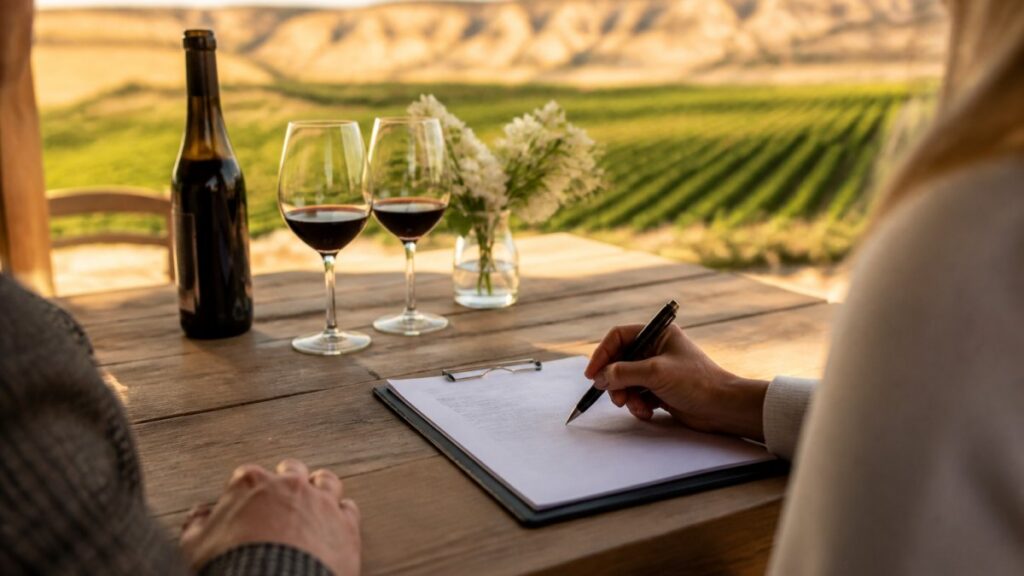
Keep tasting notes. Write down what you notice: the color, the aromas, the flavors, the acidity, the finish. Over time, you’ll develop a vocabulary for wine and a clearer sense of what you enjoy. This practice transforms casual tasting into genuine learning.
The key to wine tasting is honesty. Your perception is valid. If a wine tastes like blueberry to you, that’s what it tastes like. Wine tasting isn’t about impressing anyone, it’s about understanding what you’re drinking and developing your own preferences.
Colorado Wine Tasting Experiences Worth Your Time
Visiting Colorado wine country offers more than just tasting wine. It’s an opportunity to understand how estate-grown wines are made and to connect with the people who produce them.
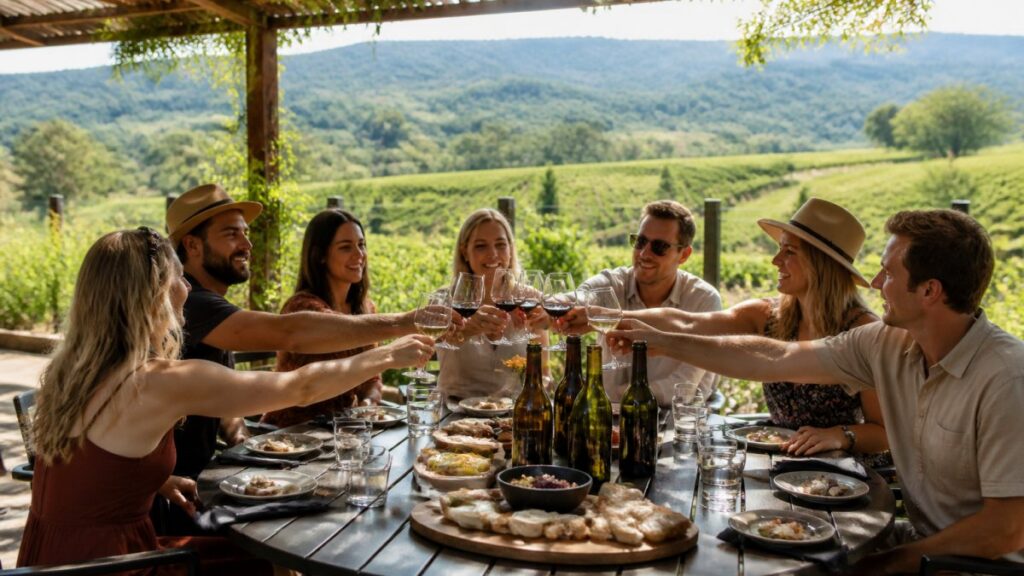
Most Colorado wineries offer tasting room experiences where you can sample wines and learn about the vineyard and winemaking process. These experiences vary from casual to formal. Some wineries focus on education, walking you through each wine and explaining the decisions that shaped it. Others emphasize the social experience, a relaxed afternoon with friends, good wine, and beautiful surroundings.
Maison La Belle Vie offers curated tasting experiences that go beyond simple wine sampling. Our tastings include food pairings that show how our estate-grown wines work at the table. We provide context about our vineyard, our winemaking philosophy, and the specific characteristics of each vintage. For visitors planning a wine country trip, we recommend booking a tasting in advance to ensure availability and to allow us to prepare a personalized experience.
Many Colorado wineries also offer vineyard tours, where you can walk the rows and understand what goes into producing quality fruit. Tours typically explain the vineyard’s layout, the varieties planted, and the challenges of growing grapes at elevation. If you’re serious about understanding estate-grown wines, a vineyard tour provides invaluable context.
Estate-Grown Versus Estate-Bottled: What You Need to Know
These terms sound similar, but they mean different things. Understanding the distinction helps you make informed choices when shopping for wine.
Estate-grown means the winery owns or controls the vineyard where the grapes are grown. The winery manages every aspect of grape production: soil management, pruning, pest control, and harvest timing. Estate-grown wines reflect the winery’s philosophy and quality standards from the very beginning. When you buy an estate-grown wine, you’re buying the result of complete control over the production process.
Estate-bottled is a more specific term with legal definition. For a wine to be labeled estate-bottled, the winery must own or control the vineyard, the vineyard must be located in the same region as the winery, and the wine must be bottled at the winery. Estate-bottled wines meet stricter requirements than estate-grown wines.
Some wineries produce both estate-grown and non-estate wines. They might own vineyards for certain varieties but source other grapes from neighboring producers. This approach allows them to expand their portfolio while maintaining quality standards for their flagship estate wines.
For Colorado wines, estate-grown designation is significant. It means the winery has invested in vineyard land and committed to the long-term work of building quality. It means they understand their specific terroir and have made deliberate choices about what to plant and how to manage it.
| Term | Definition | Winery Control | Significance |
|---|---|---|---|
| Estate-Grown | Winery owns/controls vineyard | Complete | Reflects winery philosophy from vine to bottle |
| Estate-Bottled | Legal designation with regional requirement | Complete | Meets stricter regulatory standards |
| Non-Estate | Fruit sourced from other producers | Partial | Allows portfolio expansion |
Colorado’s estate-grown wines represent some of the finest quality being produced in the state. Whether you’re exploring the region as a visitor or seeking out bottles for your own cellar, these wines offer genuine character and the kind of complexity that rewards careful tasting.
The best way to discover your preferences is to taste widely and pay attention to what resonates with you. Visit local wineries, ask questions, take notes. The wine community in Colorado is welcoming, and producers are eager to share their work and their passion.
At Maison La Belle Vie Winery, we believe that exceptional wine begins in the vineyard. We invite you to explore Colorado wine country and discover the depth of quality being produced across the state.
For those planning a wine country visit, the Palisade Chamber of Commerce provides comprehensive regional information about tasting rooms, events, and accommodations. To deepen your understanding of wine tasting fundamentals, the Wine Institute offers educational resources about wine production and evaluation.
Reserve a Tasting at Maison La Belle Vie and experience how estate-grown wines express the unique character of our vineyard. Our curated tastings showcase our Muscat, Marechal Foch, and other estate-grown varieties, paired with cuisine designed to highlight each wine’s distinct qualities.
Frequently Asked Questions
What makes a wine estate-grown?
Estate-grown wine means the producer owns or controls the vineyard where the grapes are grown and also makes the wine. The grapes must be from the winery’s own vineyard site, ensuring complete control over growing conditions, harvest timing, and quality. This differs from estate-bottled, which requires only that the winery bottled the wine on-site, not necessarily that they grew the grapes. For Colorado estate-grown wines, this hands-on approach reflects the winery’s commitment to regional character and vineyard-specific expression.
Which Colorado wine varieties grow well at high elevation?
Colorado’s high elevation and cool-climate conditions favor Riesling, Pinot Gris, Grüner Veltliner for white wines. Red varieties include Malbec and Marechal Foch. These Colorado wine varieties thrive because they ripen slowly in the cool growing season, developing balanced acidity and concentrated fruit flavor. Grand Valley and Palisade’s specific terroir produces wines with regional character distinct from lower-elevation regions.
How should beginners approach tasting Colorado wine?
Start by observing the wine’s color and clarity, then smell it by bringing the glass to your nose and inhaling gently. Take a small sip, hold it in your mouth for a few seconds to let it coat your palate, and notice the flavors and texture. When tasting wine for beginners, focus on what you actually taste rather than trying to identify specific notes. Many Colorado wineries offer guided tastings where staff explain tasting notes and food pairings, making the experience educational and enjoyable.
Where can I experience Colorado wine tasting with food pairings?
Maison La Belle Vie in Palisade offers curated tastings paired with exquisite cuisine. Their estate-grown wines and refined dining experience create a memorable Colorado wine tasting that goes beyond a typical tasting room visit. Maison La Belle Vie combines wine education, food pairing expertise, and elegant hospitality in one location.