Last Updated: October 26, 2026
Quick Summary
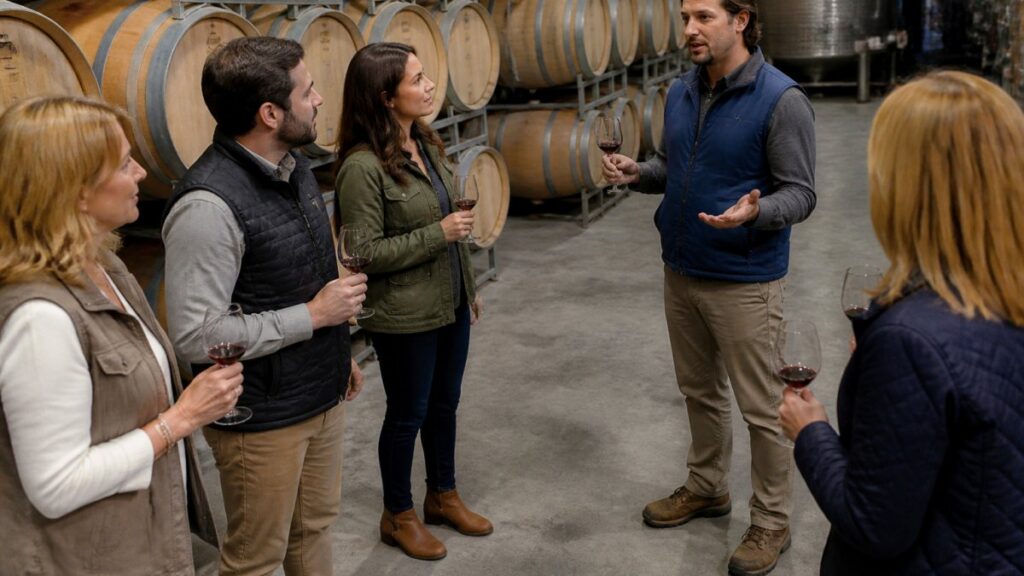
Educational winery tours in Colorado go far deeper than a simple pour-and-taste experience, combining hands-on learning with sensory exploration to teach you viticulture, production processes, and how to evaluate wine critically. These tours walk you through vineyards, explain harvest-to-bottling production, and reveal why certain grape varieties thrive in specific microclimates.
- Colorado is home to more than 140 wine producers, many offering guided educational tours and tasting rooms.
- Tours typically last 90 minutes to two hours, allowing time for genuine learning without overwhelming your palate.
- Temperature control matters: lighter reds at 55°F, fuller reds at 65°F, whites at 45-50°F.
- Schedule tours during weekday mornings or early afternoons for smaller groups and more personalized education.
- Ask questions and take notes during your tour to deepen learning and track your developing palate over time.
Table of Contents
- What Educational Winery Tours Offer Beyond the Basics
- How to Taste Wine for Beginners: A Step-by-Step Framework
- Wine Tasting Tips for Beginners You’ll Learn on a Tour
- Understanding the Wine Production Process During Your Visit
- What a Winery Tour and Tasting Experience Includes
- How Estate-Grown Wines Shape the Educational Experience
- Plan Your First Educational Winery Tour
- Frequently Asked Questions
What Educational Winery Tours Offer Beyond the Basics
Educational winery tours in Colorado go far deeper than a simple pour-and-taste experience. These tours combine hands-on learning with sensory exploration, transforming a casual afternoon into a masterclass in viticulture and winemaking craft.
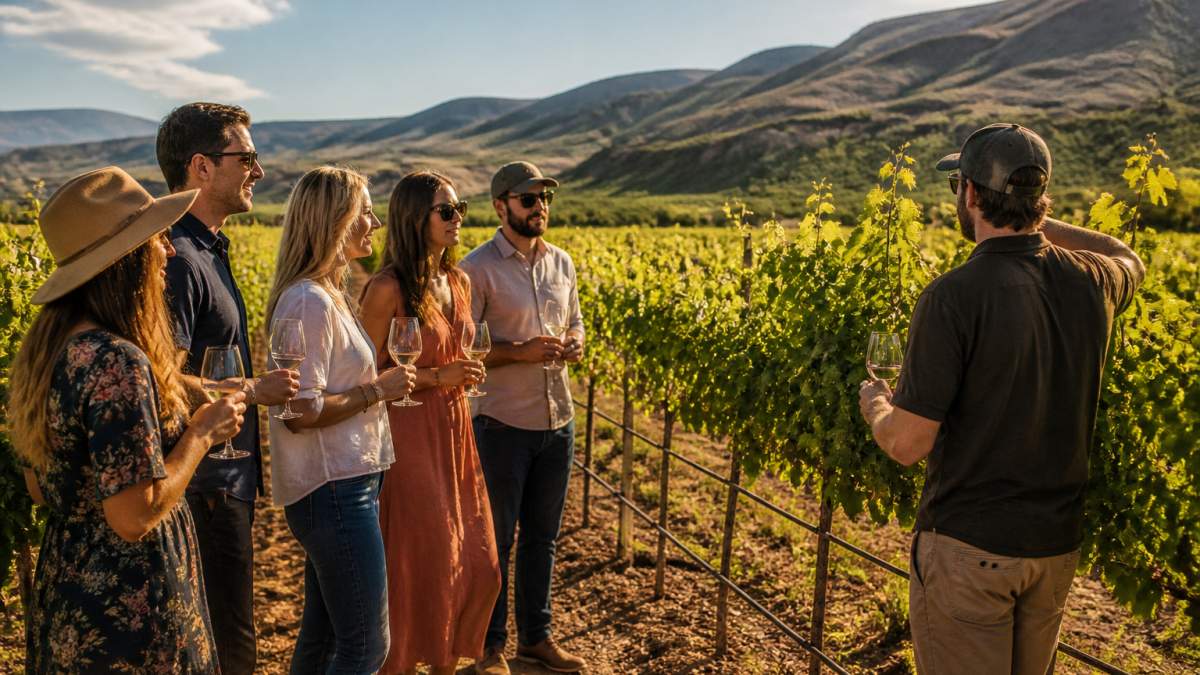
What separates an educational experience from a standard tasting is intentionality. A genuine educational winery tour walks you through the vineyard, explains the production process from harvest to bottling, and teaches you how to evaluate wine critically. You’ll learn why certain grape varieties thrive in specific microclimates, how fermentation temperatures affect flavor profiles, and what makes estate-grown wines distinct from sourced fruit.
The research is clear on this. According to Colorado.com’s wine industry overview, the state is home to more than 140 wine producers, many of which offer guided and educational experiences including tours and tasting rooms. A 2026 tasting report found that 36 of 53 wines from 15 Colorado wineries deserved ratings of 90 points or higher, demonstrating the caliber of craft available here.
How to Taste Wine for Beginners: A Step-by-Step Framework
Learning to taste wine properly transforms how you experience every sip. Most beginners skip the fundamentals and jump straight to swallowing, missing the complexity that makes wine interesting.
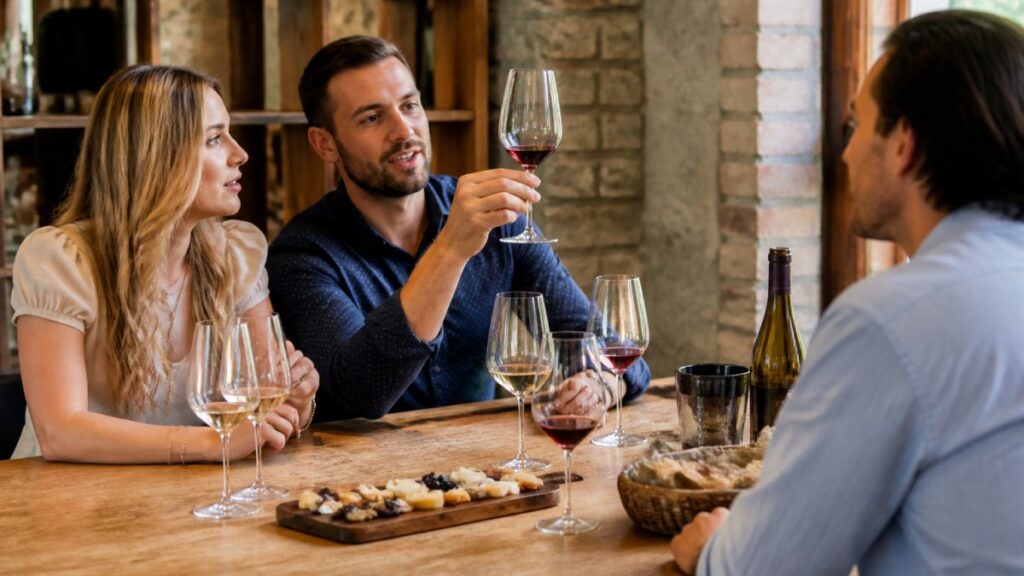
Step 1: Observe the color. Hold your glass up to natural light. Note whether the wine is pale, medium, or deep in color. For white wines, look for clarity and hue, from pale yellow to golden. For reds, observe the depth and any browning at the edges, which indicates age. This single observation tells you about the grape variety, ripeness, and potential age.
Step 2: Swirl and smell. Gently swirl the wine in your glass for 3-5 seconds. This aerates it and releases aromatic compounds. Bring the glass to your nose and inhale deeply. What do you detect? Fruits, flowers, earth, spice, oak? Don’t overthink it, your first instinct is usually accurate.
Step 3: Take a small sip. Let the wine coat your mouth for a moment before swallowing. Pay attention to the texture (smooth, tannic, crisp), the flavors you taste, and how the wine evolves from the first sip to the finish. Does it taste like what you smelled?
Step 4: Consider the finish. After swallowing, notice how long the flavors linger. A short finish fades quickly. A long finish persists for 30 seconds or more, which typically indicates higher quality and complexity.
The key is slowing down and paying attention.
Wine Tasting Tips for Beginners You’ll Learn on a Tour
Several practical insights emerge once you start tasting intentionally. These tips separate casual drinkers from people who genuinely understand what they’re experiencing.
Temperature matters more than you think. Serve white wines too cold and you’ll mute the flavors. Serve reds too warm and the alcohol becomes overpowering. The ideal temperature depends on the style, lighter reds around 55°F, fuller reds around 65°F, whites around 45-50°F.
Tannins aren’t bad; they’re structure. Beginners often mistake the drying sensation in their mouth for bitterness and assume it’s a flaw. That sensation comes from tannins, compounds in grape skins and oak that provide structure and age-ability. High-tannin wines improve dramatically over years or decades. Low-tannin wines are approachable immediately.
Food pairing isn’t complicated. The rule is simple: match weight to weight and intensity to intensity. A light, crisp white pairs with delicate seafood. A full-bodied red pairs with rich meat dishes. The goal is balance, not rigid rules.
Acidity is your friend. High-acid wines taste fresh and vibrant. They pair well with food because acidity cuts through richness. Low-acid wines feel flat and heavy. Understanding acidity helps you predict whether a wine will work for a meal or stand alone.
Watch out: don’t assume expensive equals better. Price reflects production cost, brand reputation, and scarcity, not always quality. Some excellent wines cost $15. Some mediocre wines cost $50.
Educational winery tours teach practical principles that transform how you evaluate and enjoy wine.
| Principle | Ideal Range or Approach | Why It Matters |
|---|---|---|
| Temperature | Lighter reds 55°F, fuller reds 65°F, whites 45-50°F | Affects flavor intensity and balance |
| Tannins | High-tannin wines improve over years or decades | Provide structure, not a flaw |
| Food pairing | Match weight to weight and intensity to intensity | Achieves balance in the meal |
| Acidity | High-acid wines taste fresh and vibrant | Pairs well with food, cuts richness |
| Price | Does not always indicate quality | Excellent wines cost $15, mediocre ones $50 |
Understanding the Wine Production Process During Your Visit
The journey from vine to bottle involves dozens of decisions that shape the final product.
Harvest timing is critical. Grapes picked early will be higher in acidity and lower in sugar, producing crisper, more delicate wines. Grapes picked late will be riper, producing fuller, sweeter wines. This single decision ripples through the entire production process.
Fermentation is where the magic happens. Wild or cultured yeast converts grape sugars into alcohol, generating heat and releasing aromatic compounds. Temperature control during fermentation dramatically affects the final flavor profile. Cool fermentation preserves delicate fruit flavors. Warm fermentation produces bolder, more complex wines. Different fermentation vessels, stainless steel, concrete, oak, also influence the result.
Oak aging adds complexity. Wine aged in new oak barrels absorbs vanilla, spice, and toasted notes. Wine aged in older barrels develops more subtle characteristics. The length of aging, from a few months to several years, determines how pronounced these oak flavors become. According to research on winery tourism experiences, educational experiences that explain these production choices build deeper brand loyalty and understanding.
Blending is an art.
What a Winery Tour and Tasting Experience Includes
You’ll discover our tasting room.
The entire experience typically lasts 90 minutes to two hours. This duration allows time for genuine learning without overwhelming your palate or attention span.
How Estate-Grown Wines Shape the Educational Experience
Our winery grows estate-grown varieties including Muscat and Marechal Foch on our 4.5-acre vineyard, established in 2004. Learn the key differences between estate-grown and sourced grapes that shape our winemaking approach.
Plan Your First Educational Winery Tour
Choose a winery committed to education. Not all wineries prioritize teaching. Look for operations that offer structured tours with knowledgeable guides, not just open-tasting-room access. Read reviews that mention learning and education specifically. Call ahead and ask about the tour format, a good winery will explain what you’ll learn. Prioritizing these educational standards ensures that your time among the vines remains both enriching and responsible, providing a foundation for visiting wineries safely.
Schedule during off-peak times if possible. Tours are more personal and educational when the group is small. Weekday mornings or early afternoons typically draw fewer visitors than weekend afternoons. This means your guide can answer more questions and spend more time with your group.
Prepare your palate. Eat a light meal beforehand but avoid strong flavors or heavy spices. Brush your teeth and avoid mouthwash, which can interfere with tasting. Wear comfortable clothes and closed-toe shoes if the tour includes vineyard walking.
Ask questions during the tour. Your guide expects questions and wants to share knowledge. Ask about specific wines, production techniques, or the reasoning behind decisions. The more engaged you are, the more you’ll learn.
Take notes. Bring a small notebook and jot down wine names, flavor notes, and anything that surprised you. These notes help you remember the experience and track your developing palate over time.
Join a Wine Society for ongoing access. Many wineries offer membership programs that provide exclusive releases and ongoing education. At Maison La Belle Vie Winery, our Wine Society members receive access to exclusive member releases and continued learning opportunities throughout the year.
Frequently Asked Questions
What can you learn on an educational winery tour?
Educational winery tours teach you how grapes become wine, from vineyard management to fermentation and aging. You’ll learn to identify flavors and aromas, understand wine regions and grape varieties, and discover how terroir influences taste. Guides explain production choices specific to their winery, helping you develop a framework for tasting any wine with confidence and appreciation.
How do you taste wine for beginners?
Start by observing color and clarity in your glass. Swirl gently to release aromas, then smell deeply. Take a small sip, let it coat your mouth, and notice flavors before swallowing. Pay attention to acidity, tannins, and finish.
What should beginners expect at a winery tasting?
Expect a relaxed, guided experience where you’ll taste 3-6 wines, typically starting with lighter styles and building to fuller-bodied or sweeter wines. A staff member will pour small amounts, explain each wine’s background and flavor profile, and answer your questions. You’ll learn proper tasting technique, discover your preferences, and often have the option to purchase wines you enjoy. Most tastings last 45 minutes to an hour.
How should you prepare for a winery tour and tasting?
Eat a light meal before arriving to avoid tasting on an empty stomach. Avoid heavy perfume, which interferes with wine aromas. Bring water to cleanse your palate between tastings. Arrive with an open mind and curiosity, there are no wrong answers in wine tasting.
What is the difference between a winery tour and a wine tasting?
A wine tasting focuses on sampling and evaluating wines in a tasting room, learning flavors and styles.
Do educational winery tours work for complete beginners?
Yes. Educational tours are designed for all experience levels. Guides explain concepts from the ground up and encourage questions. You don’t need prior wine knowledge, just curiosity and a willingness to engage your senses. Beginners often find tours most valuable because they build foundational knowledge about how wine is made, what to look for when tasting, and how to develop your own preferences rather than relying on labels or others’ opinions.
Educational winery tours teach you to taste intentionally, understand production complexity, and appreciate the craftsmanship behind every bottle. The challenge is finding an experience that combines genuine knowledge with hospitality. Reserve a tasting at Maison La Belle Vie Winery and explore how our estate-grown wines, curated tasting experiences, and knowledgeable team transform how you understand wine. We’ll show you exactly what makes these experiences memorable.